

Porcelain Veneers: Fixing Chips, Gaps, and Discoloration

A chipped edge, a gap between the front teeth, and years of coffee staining are three separate cosmetic problems that most treatments only solve one at a time. Porcelain veneers are one of the few options that can correct all three at once, and long-term data support why so many patients choose them: a 20-year clinical study found porcelain veneers were still intact at a 93.5% survival rate after a full decade of daily use.
For anyone comparing porcelain veneer options in Fort Walton Beach, that combination of versatility and durability is worth understanding before booking a consultation.
How One Veneer Handles Three Different Problems
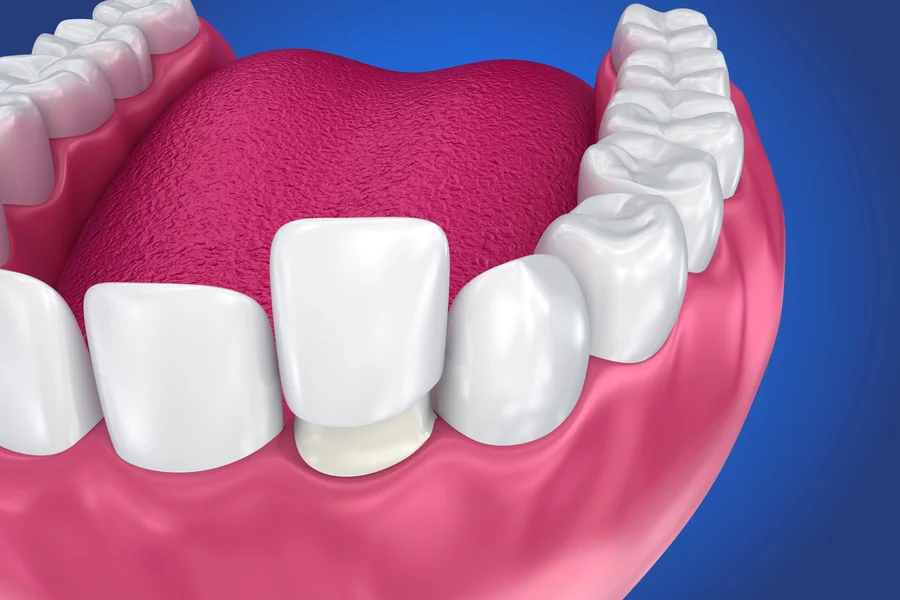
A porcelain veneer is a thin, custom-shaped shell bonded to the front surface of a tooth, and the way it corrects each issue is slightly different depending on the problem. For a chip, the veneer covers the damaged edge, restoring a smooth, even shape that matches the surrounding teeth. For a gap between two teeth, the dentist can design the veneer slightly wider than the natural tooth to close the space without orthodontic treatment. For discoloration, especially the kind caused by tetracycline staining or old fillings that whitening cannot fully lighten, the porcelain itself provides the color rather than relying on the tooth underneath.
That last point matters more than it sounds. Teeth whitening works by bleaching the existing enamel, so it cannot fix stains that come from within the tooth or from restorations that do not respond to bleach. A veneer sidesteps that limitation entirely by masking the tooth rather than trying to lighten it.
What the Long-Term Data Actually Shows
The 20-year figure above comes from a retrospective clinical study that followed 318 porcelain veneers placed at a university dental clinic. Researchers found survival rates of 94.4% at five years, 93.5% at ten years, and 82.93% even after two full decades in the mouth. Chipping and debonding were the most common reasons a veneer eventually needed attention, not the porcelain itself wearing out or discoloring.
Those numbers hold up because porcelain resists staining in a way that natural enamel and older composite materials do not. Coffee, red wine, and tobacco can all discolor natural tooth enamel over the years. Still, the ceramic surface of a veneer remains largely unaffected by such exposure, which is part of why the ten-year survival figure remains so close to the five-year one.
How Much Tooth Structure Actually Gets Removed
Veneers are not reversible, and it is worth understanding why before moving forward with porcelain veneers in Fort Walton Beach. To make room for the porcelain shell, a dentist typically removes a thin layer of enamel from the front of the tooth, usually between 0.3 and 0.5 millimeters in cases that use a minimal-prep technique. That is a small fraction of the tooth's overall thickness. Still, enamel does not grow back once it is gone, which is why the American Dental Association classifies veneers as a permanent cosmetic commitment rather than a temporary fix.
This is also why veneers are usually recommended only after any underlying dental issues, like decay or active gum disease, have been treated first. Placing a veneer over a tooth that still has a problem underneath can mask symptoms rather than resolve them.
Porcelain veneers tend to be a strong fit for patients who:
- Have one or more chipped, worn, or unevenly shaped front teeth
- Want to close small gaps without committing to braces or Invisalign
- Have discoloration that whitening treatments have not been able to fully correct
- Do not have active decay or gum disease that needs treatment first
- Are not dealing with significant teeth grinding or clenching, which can shorten a veneer's lifespan
A Warning Worth Knowing About Before Choosing a Provider
A newer concern has entered the conversation about the veneer that older articles on this topic rarely mention. The American Dental Association issued a public alert about "veneer techs," non-dentists advertising veneer placement services on social media, often at a lower price than a licensed dental office. Because tooth preparation is irreversible, the ADA specifically warns that any procedure that alters the physical structure of teeth should be performed only by a licensed dentist, as complications from unsupervised treatment can be difficult or impossible to correct afterward fully.
It is a reasonable thing to verify directly: a licensed dentist can always confirm their credentials, and a legitimate dental office will not hesitate to answer questions about who is actually performing the procedure.
Alternatives Worth Comparing First
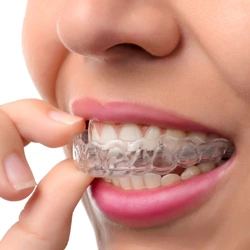
Veneers are not always the first or only option, and a good consultation should include a conversation about alternatives rather than jumping straight to porcelain. Tooth-colored, conservative restorations can sometimes correct a single chipped tooth without requiring as much enamel removal. For gaps caused by spacing rather than tooth shape, clear aligners can close the space using the patient's own teeth instead of covering them. For discoloration alone, without chips or gaps involved, professional teeth whitening is a less invasive first step worth trying before committing to a permanent restoration.
The right choice usually comes down to how many problems are involved at once. A single issue often has a more conservative fix. Multiple issues on the same tooth, or several teeth needing a uniform result, are where veneers tend to make the most sense.

What Two Visits at This Practice Typically Look Like
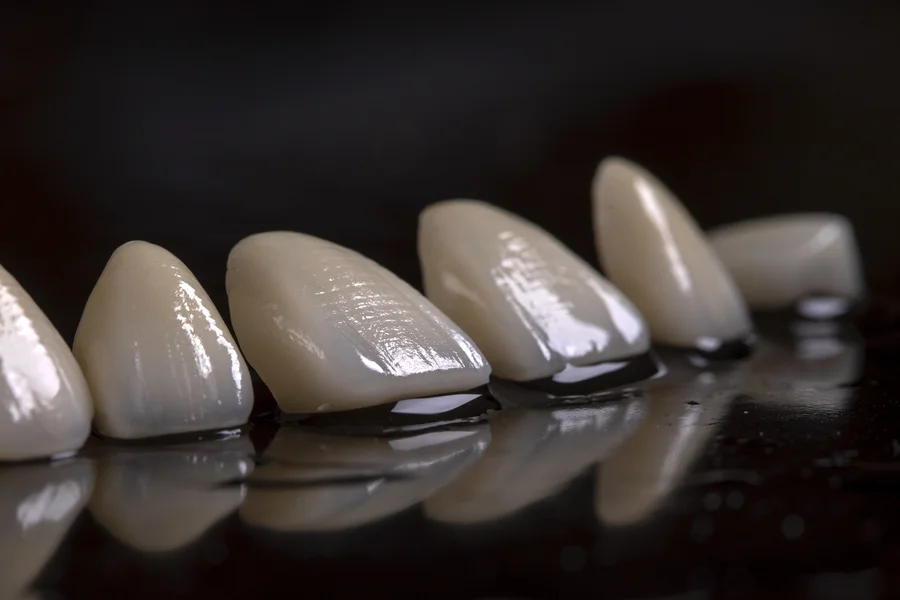
Dr. Tony Clark has been practicing dentistry in Fort Walton Beach since 1989, and the veneer process at the office generally follows two appointments. The first visit involves preparing the tooth, taking an impression or digital scan, and selecting a shade that matches the surrounding teeth. A temporary veneer is placed while the permanent one is fabricated. The second visit is for bonding the finished porcelain veneer, checking the fit, and making any small adjustments before the patient leaves with the final result.
Patients considering porcelain veneers in Fort Walton Beach can also review real results in the practice's smile gallery before committing to treatment, which often makes the decision easier than imagining the outcome from a description alone. General dental health should also be confirmed through a routine exam before any cosmetic work begins.
How long do porcelain veneers actually last?
Clinical research shows survival rates above 90% at the ten-year mark, with many veneers lasting 15 to 20 years or longer with proper care, including avoiding using teeth as tools and wearing a nightguard for patients who grind their teeth.
Can veneers be removed later if I change my mind?
No. Because a thin layer of enamel must be removed to place the veneer, the process is irreversible. A damaged or replaced veneer can be swapped for a new one, but the tooth cannot return to its original, unprepared state.
Does dental insurance cover porcelain veneers?
Most dental insurance plans treat veneers as a cosmetic procedure and do not cover the cost, though this varies by plan. The office can review financing options during a consultation for patients weighing the investment.
How many veneers do most patients get at once?
It depends on the goal. Some patients get a single veneer to fix one chipped or discolored tooth. In contrast, others choose six to eight veneers across the front teeth for a more uniform, complete smile makeover.
Schedule a Consultation for Porcelain Veneers in Fort Walton Beach
Chips, gaps, and stubborn discoloration do not have to be treated as three separate problems. If porcelain veneers in Fort Walton Beach sound like the right fit for your smile, the next step is a consultation to assess your specific teeth and discuss the options honestly, including whether a more conservative treatment might work just as well.
Contact us to schedule a visit with Dr. Clark and find out what your smile could look like.