

Common Dental Emergencies (And How Act for Each One)
Dental emergencies are never planned—but knowing how to act when one happens can make all the difference in reducing pain, preventing long-term damage, and even saving your tooth. Whether it’s a knocked-out tooth or a sudden abscess, acting fast and smart before visiting the emergency dentist in Destin, FL, can make all the difference.
Before your dental appointment, though, you can prepare ahead with this dentist-approved guide.

What Is a Dental Emergency?
Any oral problem that involves excruciating pain, uncontrollable bleeding, infection, or trauma and necessitates prompt medical attention is considered a dental emergency. If left untreated, these conditions frequently deteriorate rapidly and can even pose major health risks or irreversible harm to your smile. For that reason, acting right away plays a big role in your outcome.
1. Severe Toothache
A severe toothache is often an indication that a problem exists deep within your tooth, typically in the pulp or root. The pain may radiate to your jaw or ear and be sharp, throbbing, or persistent. Biting down, eating hot or cold food, or even lying down can exacerbate the condition.
While over-the-counter painkillers may provide momentary solace, medical attention is required to identify the underlying cause and prevent the problem from getting worse.
- Why professional attention matters: Toothaches may signal decay, infection, or an abscess. These issues won’t resolve on their own—and the longer you wait, the more invasive the treatment becomes.
What to Do When You Experience a Toothache
- Rinse with warm water
- Floss gently to remove debris
- Take over-the-counter pain relievers (but avoid placing aspirin directly on the tooth)
- Apply a cold compress if swelling is present
- Call your family dentist immediately
2. Knocked-Out Tooth
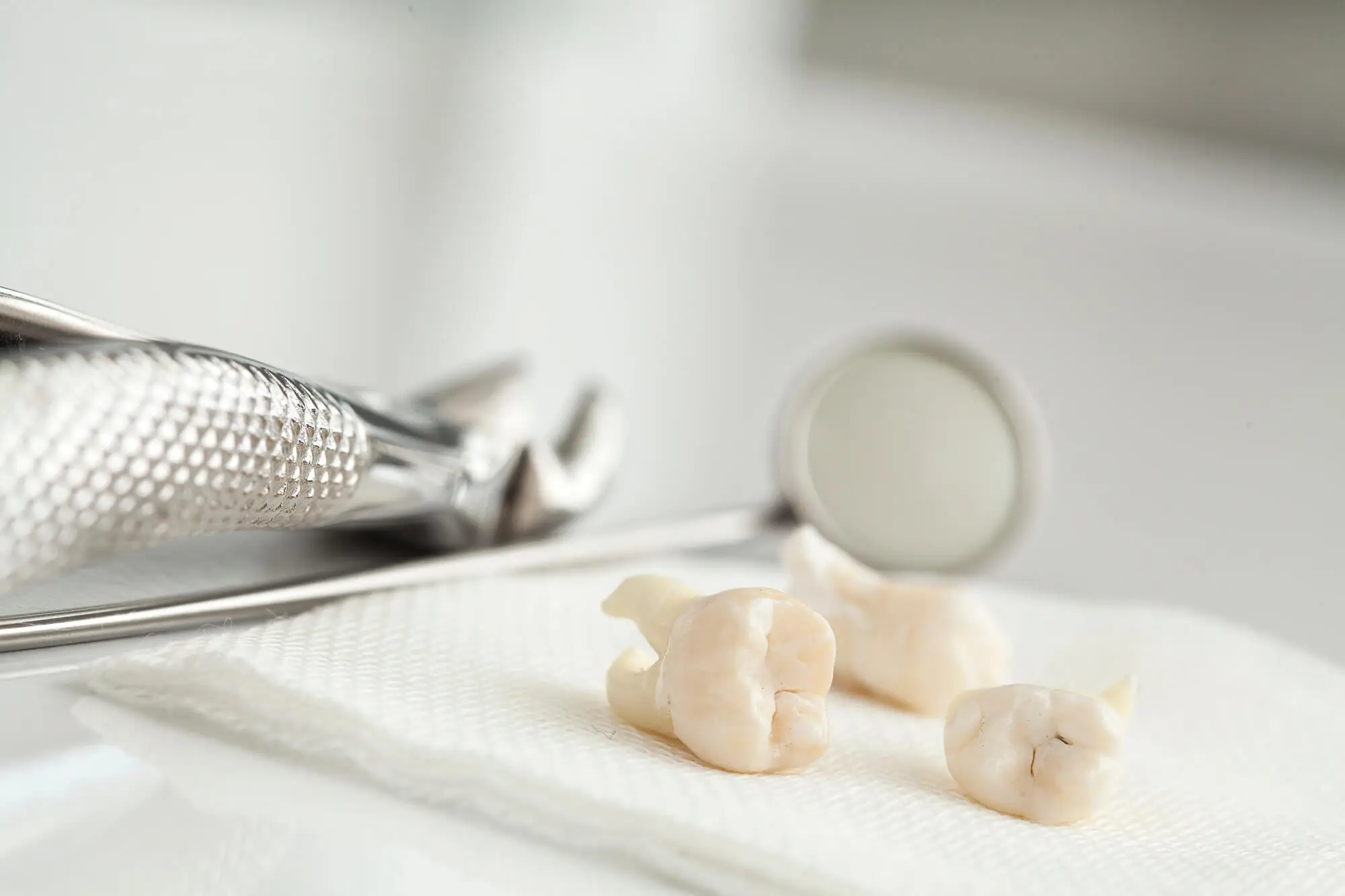
One of the most serious dental emergencies is a knocked-out tooth. The tooth may become totally dislodged from its socket due to blunt trauma from a fall, sports injury, or accident. Gum bleeding is common. Additionally, you may experience pain, shock, or notice an empty socket.
Time is of the essence when you lose a permanent tooth. The surrounding bone and tissues begin to change within minutes, and your best chance to reinsert and save the tooth is within 30 to 60 minutes of the injury.
- Why professional attention matters: Quick action increases the chance of saving the tooth. Your dentist knows this, so explain your dental emergency clearly—they will probably ask you to come into the office immediately.
What to Do When You Experience a Knocked-Out Tooth
- Hold the tooth by the crown (not the root)
- Rinse gently with water (don’t scrub or remove tissue)
- Try to reinsert into the socket
- If that’s not possible, store it in milk or saline
- See your Destin emergency dentist within 30–60 minutes

3. Cracked or Broken Tooth
A cracked or broken tooth might not always be apparent to the unaided eye. However, it can cause pain when you chew or release pressure, or you may also feel a sharp edge on your tongue. Sensitivity to heat or cold is also prevalent. In extreme circumstances, a portion of the tooth may completely separate, revealing the pulp or dentin.
Teeth grinding, trauma, and biting hard foods can all cause cracks. If left untreated, even minor fractures can lead to infection. In addition to preserving the tooth's functionality and appearance, prompt treatment helps stop additional breakage.
- Why professional attention matters: Cracks can expose the inner tooth, increasing the risk of infection or nerve damage. Prompt treatment can save the tooth and prevent further complications.
What to Do When You Experience a Cracked Tooth
- Rinse your mouth with warm water
- Apply a cold compress to reduce swelling
- Save any broken pieces
- Avoid chewing on the affected side
- Schedule emergency dental care as soon as possible
4. Dental Abscess or Swelling
A dental abscess, which usually develops at a tooth's root or in the gums, is a pocket of pus brought on by a bacterial infection. You may experience facial or jaw swelling, an unpleasant taste in your mouth, or a noticeable pimple-like lump on your gums. Sensitivity, fever, and severe pain are frequent and can worsen rapidly.
- Why professional attention matters: An abscess is a serious infection that can spread to other parts of the body. Left untreated, it can become life-threatening, making emergency dental treatment essential to drain the infection.
What to Do When You Experience a Dental Abscess
- Rinse with salt water
- Take OTC pain relievers
- Do NOT attempt to pop the abscess
- Seek emergency dental care immediately
5. Lost Crown or Filling
Although losing a restoration may not seem like a significant issue at first, it needs to be addressed immediately to prevent further damage. The vulnerable area of your tooth that was previously shielded is revealed when a crown or filling falls out.
You might notice food becoming lodged in the open area, feel sharp edges, or become more sensitive. Additionally, this may put the tooth at risk for additional decay or cracking.
- Why professional attention matters: Exposed areas are vulnerable to damage and infection. The sooner you restore it, the less likely you’ll need more advanced treatment.
What to Do When You Experience a Lost Restoration
- If a crown falls out, try to reposition it using dental cement or toothpaste as a temporary adhesive.
- Keep the filling or crown safe for your dentist
- Avoid sticky or hard foods
- Schedule emergency repair
Should I Go to the ER for a Dental Emergency?
In most cases, a dentist—not the ER—is the right place for a dental emergency. Hospitals are typically not equipped to handle dental issues beyond providing pain relief or controlling infections.
However, if you have uncontrollable bleeding, facial trauma involving broken bones, and difficulty breathing or swallowing, a visit to the ER may be the best decision.

Not Sure If It’s an Emergency? Call the Emergency Dentist in Destin, FL
Preparing yourself for a dental emergency can feel like calling for misfortune—but when the time comes, knowing how to act can make a crucial difference. If you experience a dental-related accident, don’t feel overwhelmed: you aren't alone in this process. Whether you’re in pain, bleeding, or unsure of what to do, we’re just a phone call away.
And if you’re unsure whether or not your case constitutes an emergency, it's best to call your dentist right away. At Dr. Tony Clark, our team will discuss your symptoms with you, assess the urgency, and guide you. Call our number today for an emergency appointment.