

Coffee, Wine, and Tea: Can Whitening Beat the Stains?

A 2022 staining study tested eleven everyday drinks for their power to discolor teeth, and the beverage that left the toughest mark wasn’t the one most people blame first. Coffee had company. Researchers found that black tea and red wine actually produced the deepest, most stubborn stains of the bunch, with the tea stain proving harder to remove than any other drink tested.
If your own smile has picked up a yellow or grayish tint from your daily cup, you are far from alone, and the good news is that teeth whitening in Fort Walton Beach can usually turn things around. Before booking an appointment, though, it helps to understand why these particular drinks are so hard on enamel and what a dentist can and cannot do about it.
Patients curious about brighter options often start by browsing Dr. Clark’s cosmetic dentistry services to see which treatment fits their goals, their budget, and how quickly they would like to see results.

Why Your Morning Routine Shows Up on Your Teeth
Tooth enamel looks smooth, but under a microscope, it is covered in tiny pores and ridges. Pigmented compounds called chromogens, found in coffee, tea, and wine, settle into those pores and gradually darken the surface over time.
Acidic drinks make the problem worse by softening the outer layer of enamel, which makes it easier for pigment to grab hold. After months or years of the same habits, these small deposits add up to a dull or yellow look that brings several patients in to ask about their options.
Genetics play a role too, since some people naturally have thinner enamel that shows underlying dentin more easily, making any surface staining look more pronounced than it would on a thicker, denser tooth.
What a 2022 Staining Study Found
A 2022 staining study tested eleven common beverages, including coffee, red wine, white wine, and black tea, to measure how badly each one discolored tooth samples. Black tea and red wine produced the most noticeable staining of the group, and the tea stain was also the hardest to remove through brushing alone. Coffee still caused measurable discoloration, just not quite as severe as its two rivals in this particular test.
The takeaway for anyone weighing their habits is simple: switching from coffee to tea for the sake of your smile might not help as much as you would think.
Wine’s Double Trouble: Acid and Tannins Together
Red wine carries two separate problems for tooth color. Its tannins, the same compounds that give wine its dry, puckering taste, bond tightly to enamel and deposit pigment with every sip. At the same time, wine’s natural acidity temporarily softens enamel, which opens the door for stains to set in faster and stick around longer.
White wine is not completely innocent either, since its acidity can prime teeth to pick up stains from whatever you drink next, including that second glass or the cup of coffee the following morning.
Good habits can only do so much against chromogens and acid working together, but a few small changes make a real difference:
- Rinse with water right after coffee, tea, or wine to wash away pigment before it settles.
- Use a straw for iced coffee, iced tea, or dark sodas to limit contact with front teeth.
- Wait thirty minutes before brushing after an acidic drink, since enamel is temporarily softer right afterward.
- Keep up with regular cleanings, since routine visits catch buildup before it deepens into a stubborn stain.
Practicing good oral hygiene habits at home between visits goes a long way toward keeping new stains from taking hold.
What Professional Teeth Whitening Can (and Cannot) Fix
Store-bought whitening strips and toothpastes can lighten surface stains to a degree, but they work slowly and often leave patients disappointed. In-office treatments use a stronger, dentist-supervised whitening gel that reaches the same chromogen deposits far more efficiently.
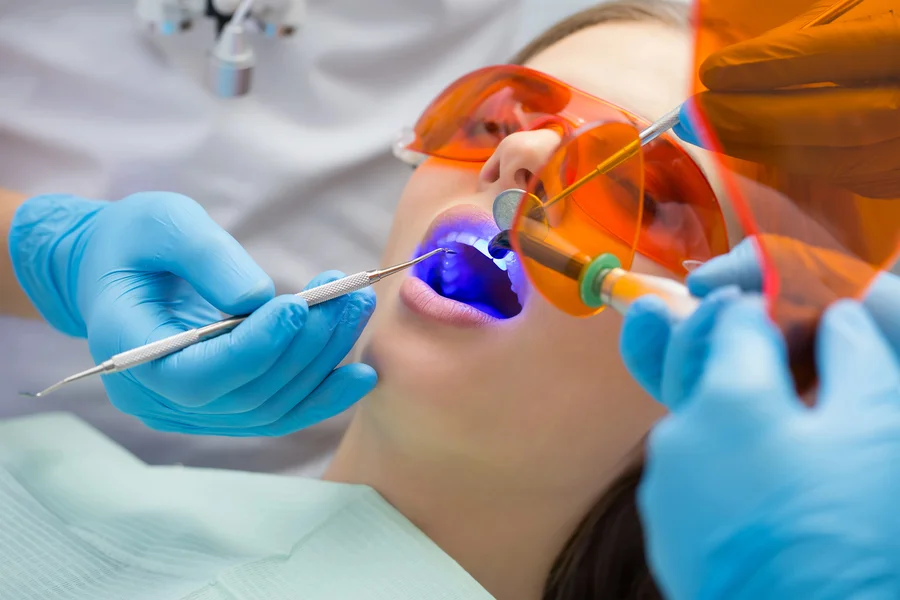
One option available at Dr. Clark’s office is Zoom!® whitening, a system that can noticeably brighten teeth in just over an hour. Because it is applied under professional supervision, the concentration can safely run higher than anything available over the counter. For many patients exploring teeth whitening in Fort Walton Beach, the biggest question is simply which option fits their lifestyle and budget.
Take-Home Trays for a Gradual Brightening
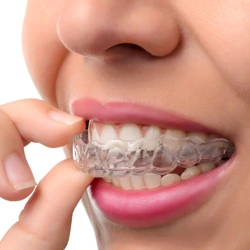
For patients who prefer a slower pace, custom-fitted take-home trays offer another path to a brighter smile. These trays are molded specifically for your teeth, so the whitening gel sits evenly against enamel instead of pooling in some spots and missing others. Most patients notice a visible difference within one to two weeks of nightly use.
Both routes are popular choices for teeth whitening in Fort Walton Beach, and either one can be paired with touch-up kits later on to maintain results as new stains gradually accumulate from daily coffee, tea, or wine.
When Stains Run Deeper Than the Surface
Not every dull smile responds to whitening gel, no matter how strong. Stains that develop inside the tooth, from old fillings, certain medications, or past trauma, sit beneath the enamel where whitening treatments cannot reach. In those cases, porcelain veneers or a broader full mouth restoration plan may do more to restore a bright, even smile than any whitening product could.

Frequently Asked Questions
How long does professional teeth whitening last?
Results typically last between six months and two years, depending on diet and oral hygiene habits. Patients who keep drinking a lot of coffee, tea, or red wine usually need touch-ups sooner than those who cut back or rinse after each drink, and a periodic touch-up treatment can keep that brighter shade going for years.
Will teeth whitening damage my enamel?
When performed under professional supervision, whitening treatments do not weaken or damage enamel. Some patients experience mild, temporary sensitivity afterward, which typically fades within a day or two.
Should I choose in-office whitening or take-home trays?
In-office treatment delivers faster, more dramatic results in a single visit, while take-home trays work gradually over a couple of weeks. Both approaches use dentist-grade whitening gel, so the right choice usually comes down to how quickly you want to see a difference and how much time you are willing to set aside for the process.
Do whitening toothpastes actually work?
Whitening toothpastes can help remove light surface stains between professional treatments, but they are not a substitute for an in-office or take-home whitening plan. Look for one that has earned the ADA Seal of Acceptance, since that label means it has been tested for both safety and effectiveness.
Ready for Teeth Whitening in Fort Walton Beach?
Coffee, wine, and tea are not going anywhere anytime soon, and no one should have to give them up just to enjoy a brighter smile. Whether surface stains are dulling your teeth, you are weighing in-office treatment against take-home trays, or you are simply curious whether whitening is the right fit, a quick consultation can clear up what to expect from teeth whitening in Fort Walton Beach for your specific case.
Tony D. Clark, DMD, has helped patients across the area brighten their smiles with options suited to their goals and schedules. Contact us to schedule a consultation and find out which whitening approach best fits your smile.