

Can TMJ Treatment Help With Jaw Clicking, Locking, & Facial Pain?
Jaw pain is often easy to dismiss at first. A small clicking sound while chewing or a brief feeling of tightness may not seem like a major concern. However, when symptoms become more frequent, they can begin to interfere with daily activities and overall quality of life. For individuals considering TMJ treatment in Fort Walton Beach, understanding the connection between jaw function and facial discomfort is an important first step. The temporomandibular joints are responsible for nearly every movement of the lower jaw, and when they are not functioning properly, a wide range of symptoms can develop. Addressing those symptoms early may help improve comfort and support better oral health over the long term.

What Is TMJ Disorder?
The temporomandibular joints are located on each side of the head just in front of the ears. These joints connect the lower jaw to the skull and allow the mouth to open, close, speak, chew, and yawn. Because these movements happen countless times throughout the day, the joints and surrounding muscles are constantly at work.
TMJ disorder refers to a group of conditions affecting the joints, muscles, and connective tissues responsible for jaw movement. Symptoms may develop gradually or appear suddenly after an injury or period of increased stress.
Why The Jaw Is Vulnerable To Problems
The jaw joint is one of the most complex joints in the body. Unlike a simple hinge, it combines rotational and sliding movements. This flexibility allows the jaw to perform many functions, but also increases the likelihood of strain, inflammation, or imbalance.
Even minor disruptions involving the muscles, bite alignment, or joint structures can affect how the jaw moves and feels.
Understanding Jaw Clicking & Popping
Many people notice clicking, popping, or cracking sounds when opening their mouths. In some cases, these sounds occur without discomfort. In others, they may be accompanied by pain, tension, or limited movement.
What Causes The Noise?
One common cause involves a small cartilage disc within the joint. This disc helps cushion movement and allows the jaw to operate smoothly. If the disc shifts out of position, the jaw may click or pop as it moves.
Additional causes may include:
- Arthritis
- Joint inflammation
- Muscle tension
- Previous trauma
Although occasional clicking may not require immediate treatment, persistent clicking accompanied by discomfort should be evaluated by a dental professional.
Why Does The Jaw Lock?
Jaw locking can be one of the most frustrating TMJ-related symptoms. Some individuals experience temporary episodes in which the jaw feels stuck, while others find it difficult to fully open or close their mouths.
How Locking Develops
Locking often occurs when normal joint movement becomes restricted. The displaced disc may interfere with movement, or the surrounding muscles may become so tight as to limit jaw function.
Patients experiencing locking often report difficulty eating certain foods, speaking comfortably, or completing routine oral hygiene tasks. Repeated episodes may increase stress and anxiety because the condition can feel unpredictable.
Early evaluation may help identify contributing factors before symptoms become more severe.
Facial Pain & Related Symptoms
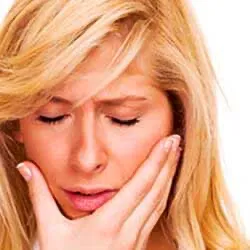
TMJ problems are not limited to the jaw itself. Because the chewing muscles extend throughout the face and connect to nearby structures, discomfort may spread to several areas.
Symptoms Beyond The Mouth
Patients commonly report:
- Facial soreness
- Headaches
- Ear pain
- Neck stiffness
- Shoulder tension
- Jaw fatigue
- Difficulty chewing
Some people are surprised to learn that recurring headaches may be linked to jaw tension. Constant muscle activity from grinding or clenching can strain facial muscles and contribute to discomfort throughout the head and neck.

Factors That Can Make Symptoms Worse
Daily habits and lifestyle factors often influence TMJ symptoms. Identifying these triggers can play an important role in symptom management.
Common Contributors
Stress is one of the most frequently overlooked factors. Many people unconsciously clench their teeth during stressful situations or while sleeping. Over time, this repetitive pressure can strain the jaw joints and muscles.
Other contributing factors may include:
- Poor posture
- Frequent gum chewing
- Nail biting
- Chewing ice
- Sleeping position
- Teeth grinding during sleep
Recognizing these habits can help patients better understand why symptoms may fluctuate throughout the day.
How Can Treatment Help?
TMJ treatment focuses on reducing strain, improving jaw function, and helping patients manage discomfort more effectively. Because every case is unique, treatment recommendations are tailored to each patient's needs.
Conservative Approaches Often Come First
Many patients experience improvement through non-surgical treatment options such as:
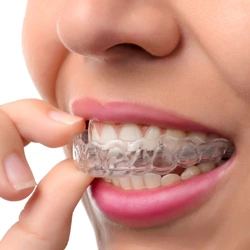
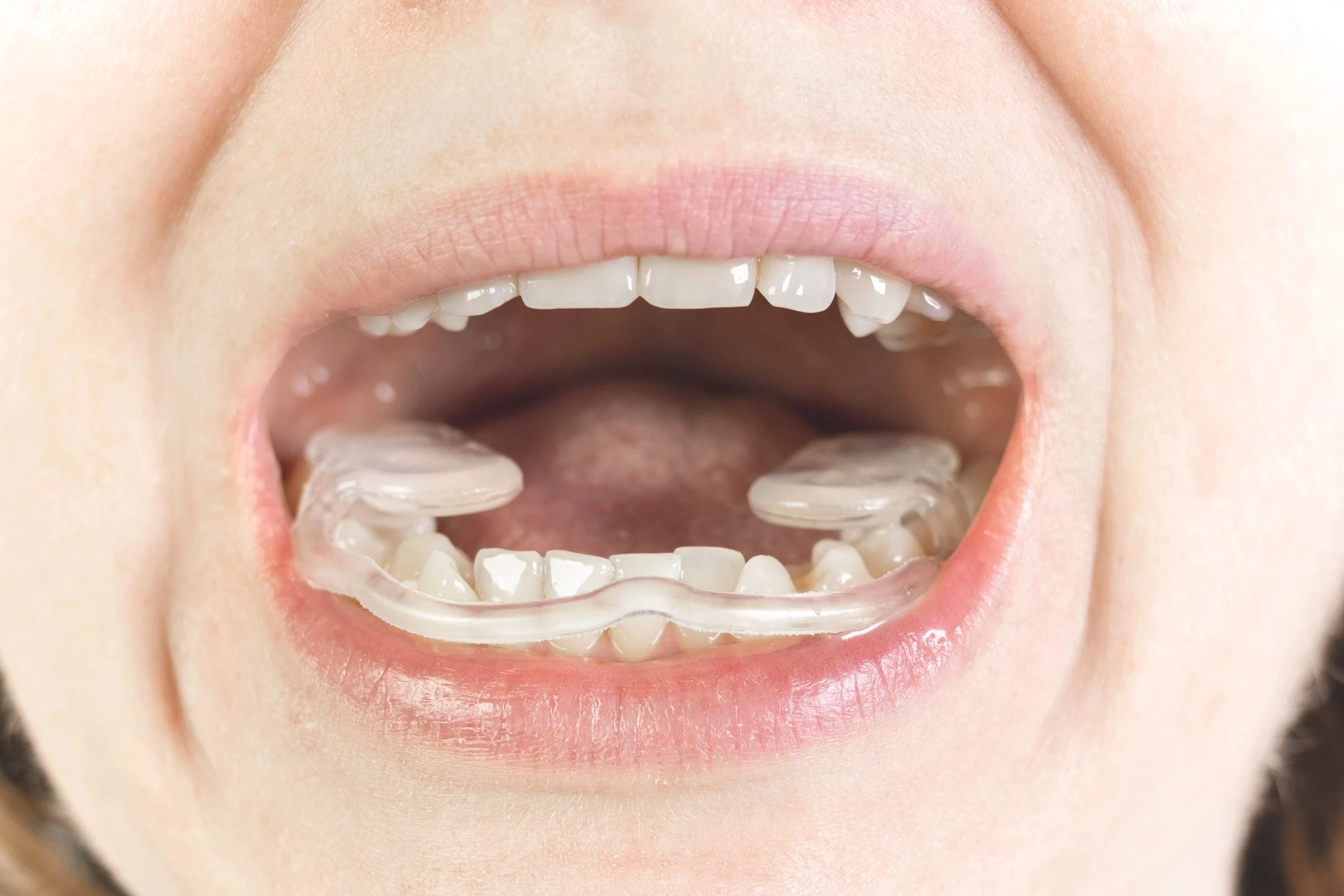
- Custom oral appliances
- Jaw stretching exercises
- Muscle relaxation techniques
- Stress reduction strategies
- Lifestyle modifications
These approaches aim to decrease pressure on the joints while encouraging healthier movement patterns.
Benefits Of Professional Evaluation
A thorough evaluation can help determine whether symptoms are related to joint dysfunction, muscle tension, bite imbalance, or another underlying concern. Understanding the source of discomfort allows for a more personalized treatment approach.
Professional guidance can also help patients avoid habits that may worsen symptoms and delay recovery.
Frequently Asked Questions
Is Jaw Clicking Always A Problem?
Not necessarily. Some people experience clicking without pain or functional limitations. However, persistent clicking accompanied by discomfort should be evaluated.
Can TMJ Symptoms Affect Sleep?
Yes. Jaw discomfort, muscle tension, and nighttime grinding may contribute to interrupted sleep and morning soreness.
Can Stress Make Symptoms Worse?
Absolutely. Stress often contributes to clenching and muscle tension, both of which can increase strain on the jaw joints.
Should I Ignore Occasional Jaw Pain?
Even mild symptoms can become more noticeable over time. Monitoring changes and seeking evaluation when symptoms persist is often recommended.

Learn More About TMJ Treatment In Fort Walton Beach
Jaw clicking, locking, and facial pain can affect much more than your ability to chew comfortably. These symptoms may influence sleep quality, concentration, daily comfort, and overall well-being. Understanding what is causing your discomfort is an important step toward finding lasting relief and protecting your oral health. At Dr. Tony Clark, we help patients better understand their jaw concerns through personalized evaluations and thoughtful treatment planning. Contact our office today to schedule an appointment and learn whether TMJ treatment in Fort Walton Beach may help you move, speak, and smile with greater comfort and confidence.